


-
The Ghost of National Movements Past
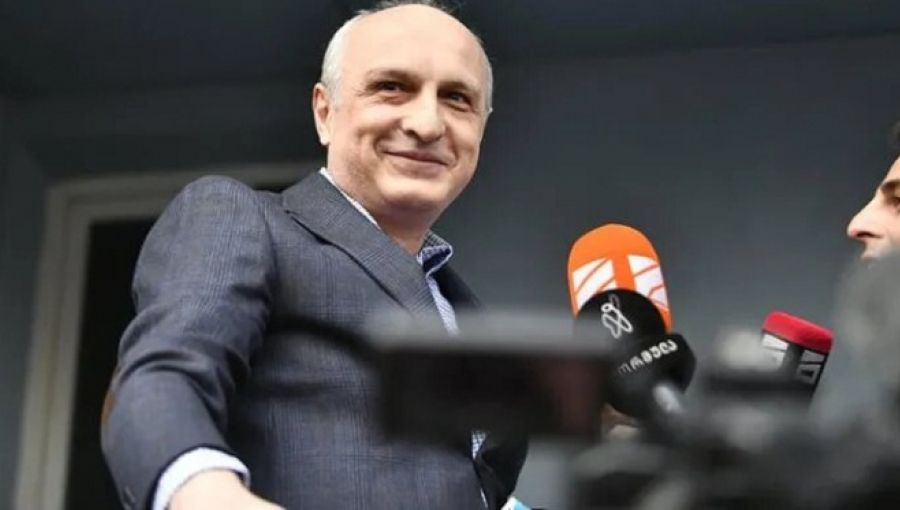
Vano Merabishvili was surprisingly energetic when he emerged from prison in February. The 51-year-old had been behind bars since 2013, put away for abuses of power allegedly committed between 2004 and 2012. Georgia’s former minister of interior and prime minister, he looked pale and had dark circles around his eyes. Nonetheless, he radiated defiance, declaring… Read More
-
A Year in Review: Armenian Government Hampered by Path Dependence
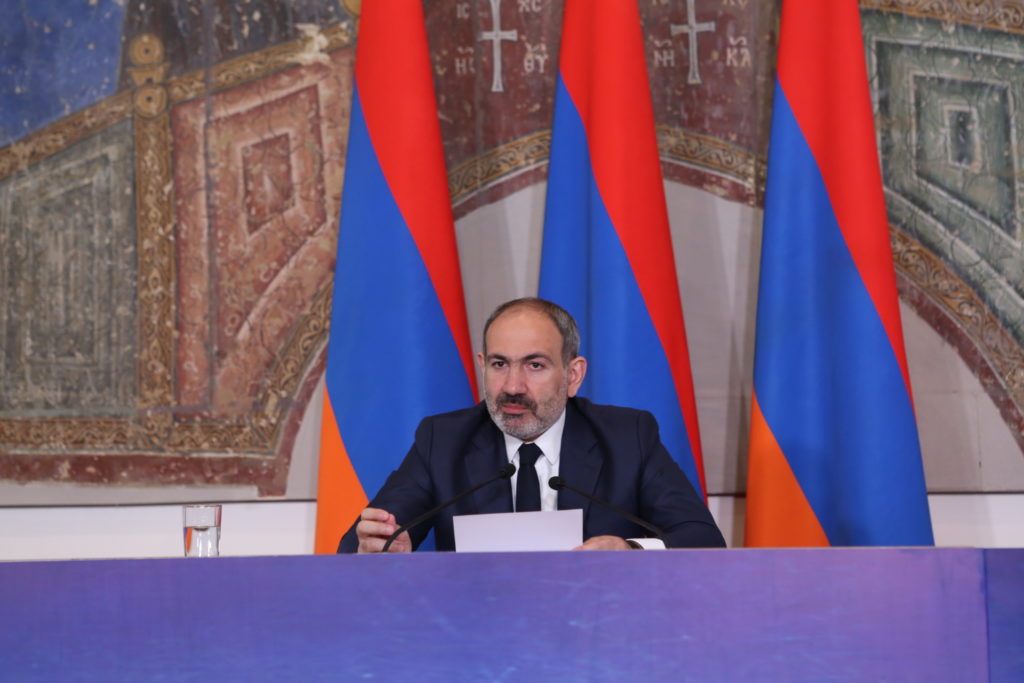
By Armen Grigoryan In 2019, Armenia’s economic situation markedly improved, registering GDP growth of 6.5 percent, a stable financial system, upgraded credit ratings, higher budget revenues and reduced public debt (Emerging Europe, December 30, 2019). According to a poll conducted in September and October by the International Republican Institute (IRI), 28 percent of citizens noted… Read More
-
Should revolution reach the Constitutional Court? Armenians will decide on April 5…
By Armen Grigoryan On 6 February, an extraordinary session of the National Assembly of Armenia approved a referendum on amending the Article 213 of the Constitution. The decision was approved by 88 votes, including the ruling My Step coalition and the only independent MP, Arman Babajanyan. The Bright Armenia faction’s 15 present members voted against,… Read More
-
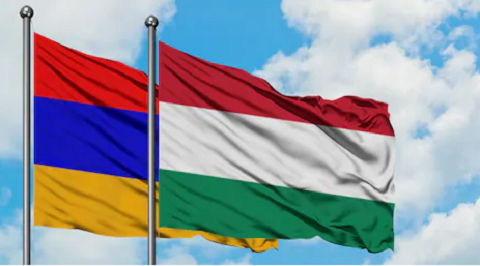
State Capture by Means of Constitution: Armenian and Hungarian Cases
By Armen Grigoryan Introduction In 2012, when President Serzh Sargsyan suspended diplomatic relations with Hungary after the extradition of Ramil Safarov to Azerbaijan, most Armenians’ perception that Hungary’s Prime Minister Viktor Orbán himself played an important, if not decisive role in the unfortunate decision to extradite the notorious axe-murderer, was quite accurate. It is a bit… Read More
-
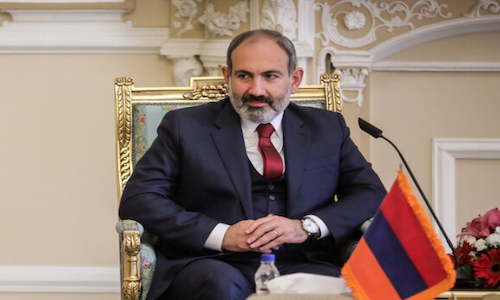
Armenia’s Post-Revolutionary Government Seeks to Speed up Reform
By Armen Grigoryan A year after winning a two-thirds majority at the snap parliamentary elections, Armenia’s Prime Minister Nikol Pashinyan has acknowledged flaws in the government’s previous approach to the reform process, admitting that some essential reforms have practically been stalled. Pashinyan continually enjoys a considerably high level of public support, and needs to take decisive… Read More
-
Tsnelisi-Chorchana Crisis: Facts, Details and Chronology
By Tornike Zurabashvili The decision of the Ministry of Internal Affairs of Georgia to set up an observation post between the village of Chorchana in the Khashuri municipality and the village of Tsnelisi in the Russian-held Tskhinvali Region/ South Ossetia in August 2019 caused weeks of crisis at the occupation line. The situation did not… Read More
-
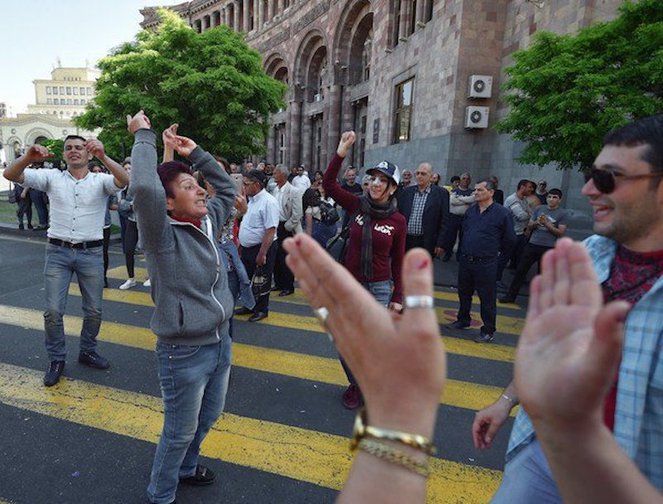
“Armenia first”: behind the rise of Armenia’s alt-right scene
by Armen Grigoryan Armenia’s 2018 revolution may have pushed a kleptocratic regime out of power, but today the country’s conservative agenda is radicalising under new conditions. Read More
-
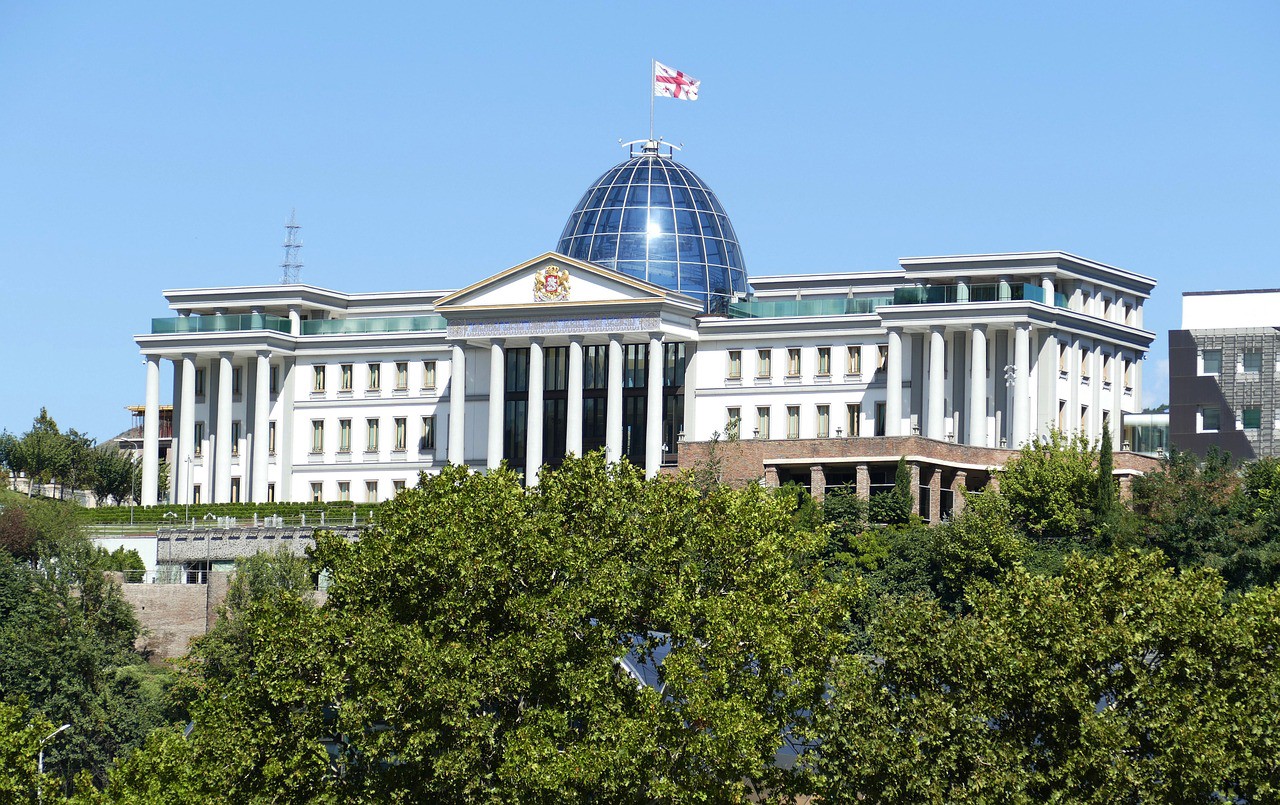
Tearing apart: what drives political polarisation in Georgia?
Lessons learnt from the 2018 Presidential elections By Tornike Zurabashvili Tornike Zurabashvili is an independent political analyst based in Tbilisi, Georgia. From December 2016 through June 2019, he edited Civil.ge, Georgia’s leading English-language daily news and analytical platform. He is currently a fellow at the Eurasia Democratic Security Network. Read More
Subscribe to our newsletter!