

-
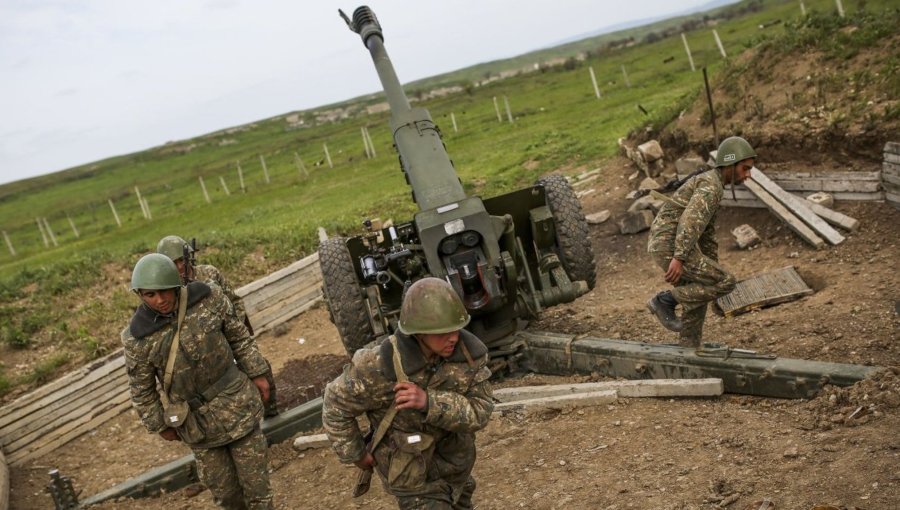
COMMENT: Imitation Game – the theatre and risks of the Karabakh peace process
By Tigran Grigoryan After the democratic revolution in Armenia and the peaceful transition of power to the current government of Nikol Pashinian, regional experts and international observers have expressed cautious optimism about the prospects for progress in Karabakh peace talks. While many of the signs are encouraging, and represent a welcome change from the region’s… Read More
-
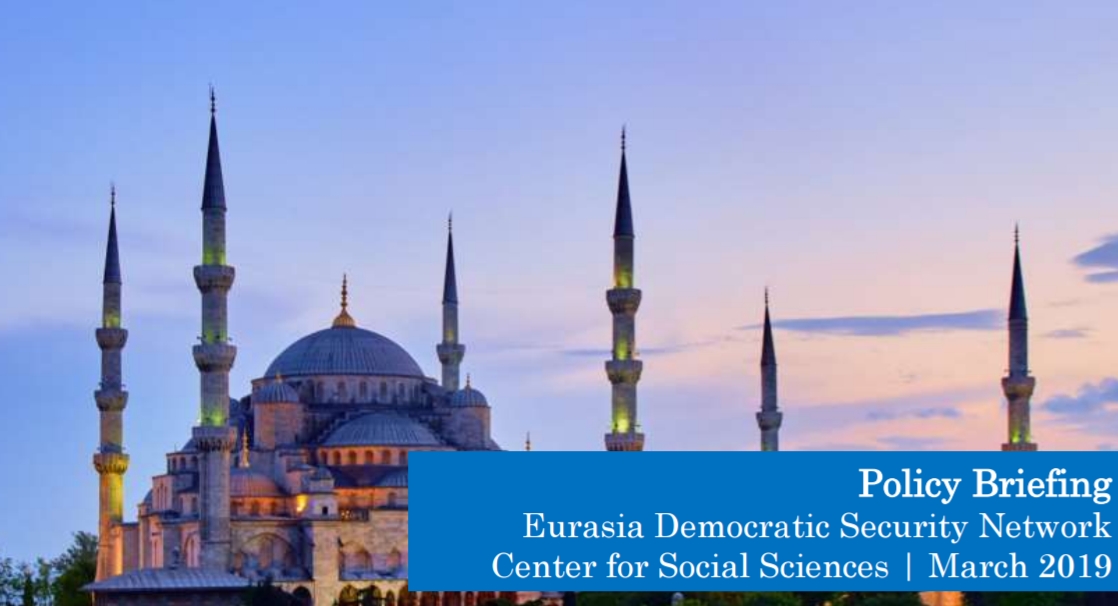
POLICY BRIEFING: How Turkey’s Initial Response to the Syria Conflict Weakened Security Governance
By Cüneyt Gürer Turkey’s foreign and regional security policies have been deeply affected by the Syrian crisis for at least the past seven years. Different dimensions of the crisis and the spillover effects in Turkey (refugees, terrorist attacks, foreign terrorist fighters, etc.) have raised questions and concerns about the country’s approach to regional security. For… Read More
-
What can Moldova Learn from Georgia?
By Mihai Popsoi After having visited Georgia several times since my first visit in 2016, I am in awe with the sheer splendor of the country’s booming new architectural landmarks. The controversial former president Mihail Saakashvili undeniably left a mark by embarking on a rapid modernization process that entailed drastic anti-corruption reforms as well as… Read More
-
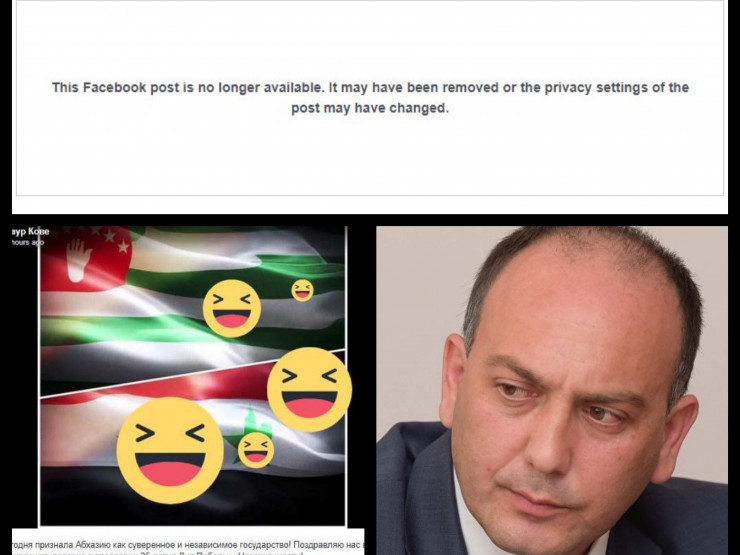
Mobilizing Emojis: The HAHA Campaign to Counter the Recognition of Abkhazia
By Ann Tsurtsumia-Zurabashvili Being primarily an issue of foreign policy, the local dimension of the counter-recognition policy has remained rather overlooked. How ordinary Georgian citizens react to new external contacts of Abkhazia might be meaningless for the big picture, but it sheds light to the sentiments of societies living on both sides of the division… Read More
-
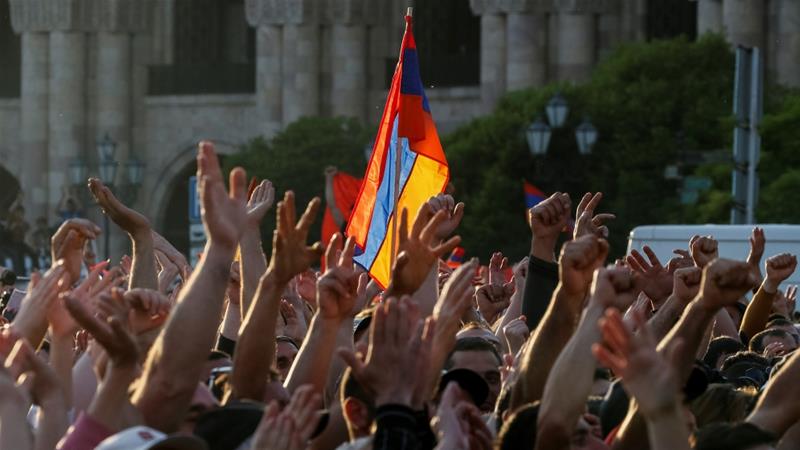
Armenia: Revolution in the EEU
By Dr. Karena Avedissian For Armenia, a country that is a member state of the Russian-led Eurasian Economic Union (EEU) and was widely perceived as slowly slipping into autocracy, the Velvet Revolution was a remarkable achievement. Despite Protest leader and current Armenian Prime Minister Pashinyan’s framing of the protests as an internal issue – not… Read More
-
Nagorno-Karabakh’s Hot Political Summer: A Revolution That Didn’t Happen
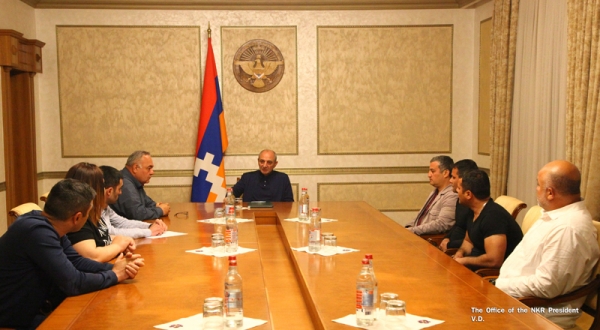
By Tigran Grigoryan Editor’s Note: The author’s use of unqualified place names in the disputed territory of Nagorno-Karabakh is a reflection of his analytical perspective, and does not necessarily represent the official view of EDSN, CSS, or its affiliates. The velvet revolution in Armenia was a political earthquake which few had anticipated. In less than a… Read More
-
Brexit and the Eastern Partnership – opportunities as well as risks?
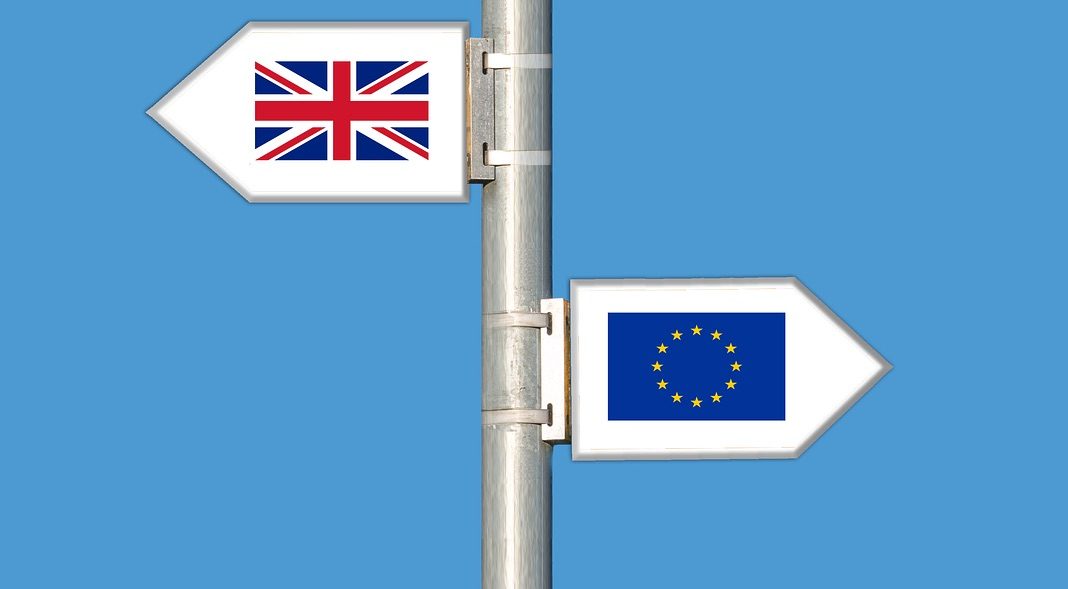
By Alexander Nice Barring any last-minute drama, the United Kingdom will cease to be a member of the European Union in just a few months’ time, on 29th March 2019. Brexit represents a fundamental challenge to the European Union, which will lose its second biggest economy and a critical security actor. It also poses a… Read More
-
Tulevik ilma e-ta: Eesti roll ELi idapartnerluses
By Emmet Tuohy Ametlikult, Euroopa Liidu idapartnerluse poliitika sai ametlikult alguse 2009. aastal Praha tippkohtumisel ELi liikmesriikide heakskiitmisega—sealhulgas üks, mille nimi algab E-tähega—ning hõlmab koostöö suurendamist kuue idanaabriga: Armeenia, Aserbaidžaan, Gruusia Moldova, Ukraina ja Valgevene. Read More
Subscribe to our newsletter!