-

Running out of steam: Georgian politics after the May 2019 elections
By Max Fras Local mayoral by-elections and parliamentary by-elections in May and June 2019, Georgia’s last electoral test before the 2020 parliamentary elections, signal a turbulent year ahead for Georgian politics and society. Although the ruling Georgian Dream (GD) party won throughout, the elections revealed that both GD and opposition parties are struggling to present… Read More
-
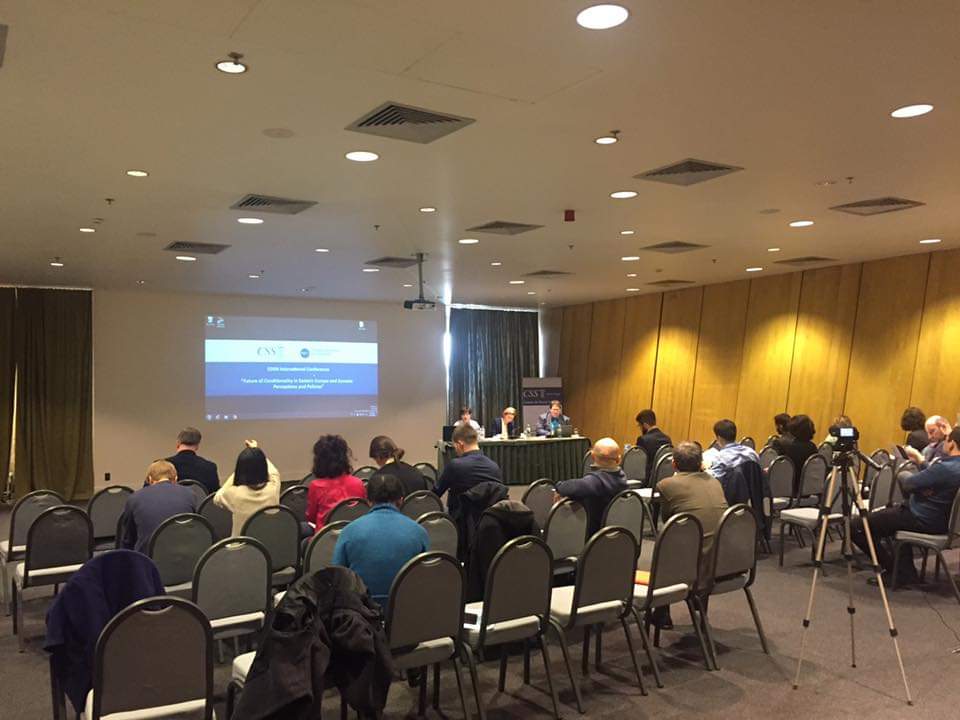
EDSN 2019 Conference on Democracy and Security
June 3, 2019 09:00-17:00 Holiday Inn Tbilisi Join the Center for Social Sciences and the Eurasia Democratic Security Network (EDSN) for its 2019 conference on democracy and security in Eastern Europe and Eurasia. Featuring a slate of distinguished speakers — including the 2018-19 cohort of EDSN fellows, prominent guest speakers, and invited experts — the… Read More
-
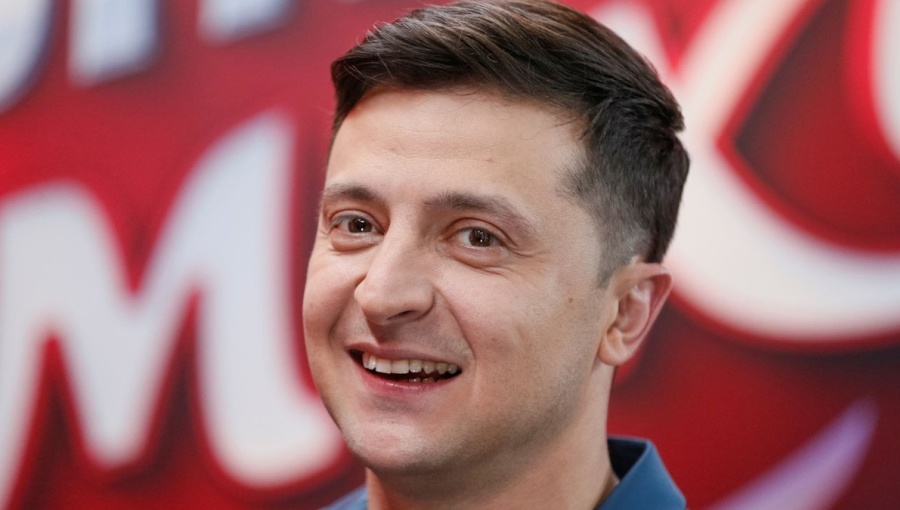
Zelenskiy faces tough choices amidst high expectations
By Maryna Vorotnyuk On April 21, Ukraine held the second round of presidential elections where Ukrainian citizens had to choose between the incumbent president Petro Poroshenko and the popular comedian-turned-politician Volodymyr Zelenskiy. With 73 percentof the vote, Zelenskiy secured a landslide victory across an absolute majority of Ukrainian regions. Zelenskiy is widely believed to reflect the… Read More
-

Call for Applications: EDSN Fellowship 2019-20
The Eurasia Democratic Security Network (EDSN), a project by the Center for Social Sciences with the generous funding of the National Endowment for Democracy (NED), is seeking applicants for its 2019-20 Research and Policy Fellowship. Read More
-
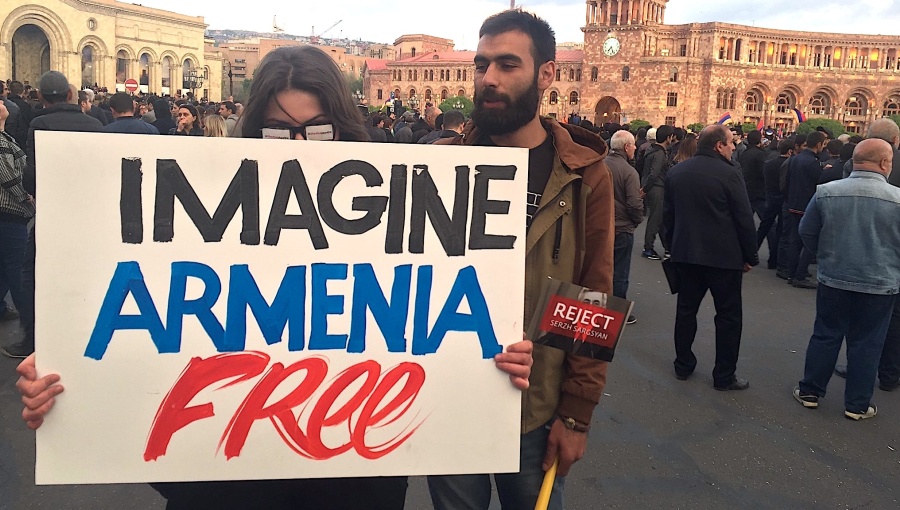
Armenia is a Russian ally and EEU member, so how did it pull off a democratic revolution?
By Dr. Karena Avedissian For Armenia, a Russian ally, a member of the Russia-led Eurasian Economic Union (EEU), and once regarded as increasingly autocratic, the 2018 Velvet Revolution was a remarkable achievement. Read More
-
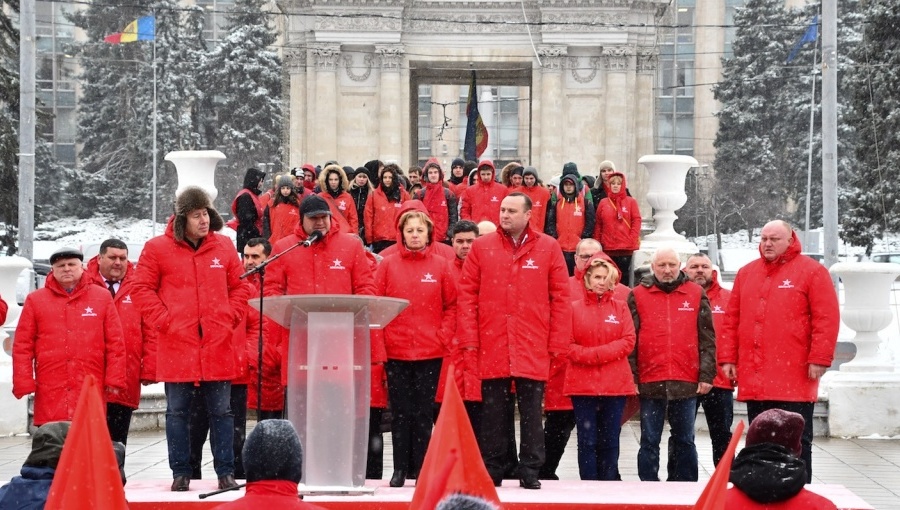
When corruption trumps geopolitics: lessons from the Moldovan election
By Mihai Popsoi In international circles, Moldova is frequently described as a country torn between Russia and the Euro-Atlantic West, where the push-pull of geopolitical competition is the defining feature of national policy and politics. Yet, while geopolitics may fill the headlines and fuel sombre discussions in Western capitals, the flawed recent elections in Moldova… Read More
-
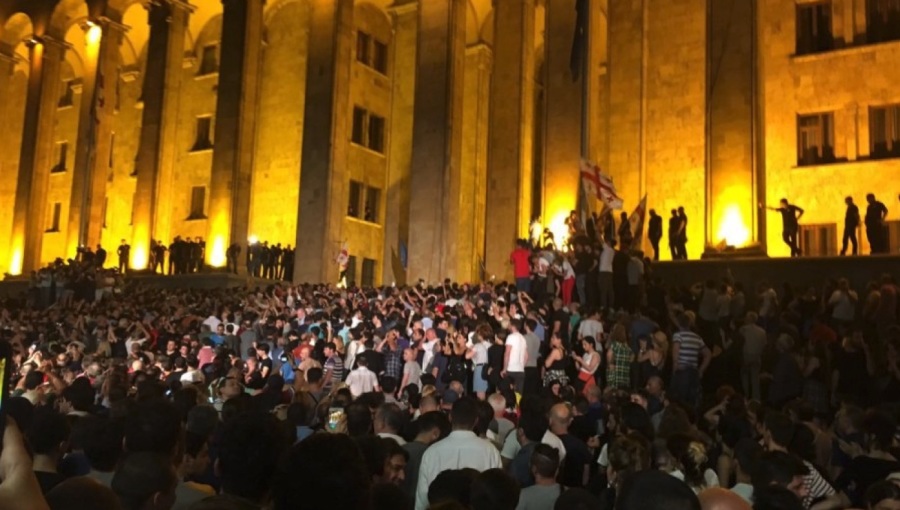
Tbilisi’s protests and the Georgian Dream Political paradox
By Lincoln Mitchell The protests and political drama that have engulfed Tbilisi over last week or so has highlighted all of the flaws of Georgia’s ruling Georgian Dream party (GD). While the image of a pro-Kremlin Russian parliamentarian holding court in Georgia’s legislature was to many Georgians a troubling symbol, that event, and the political… Read More
-
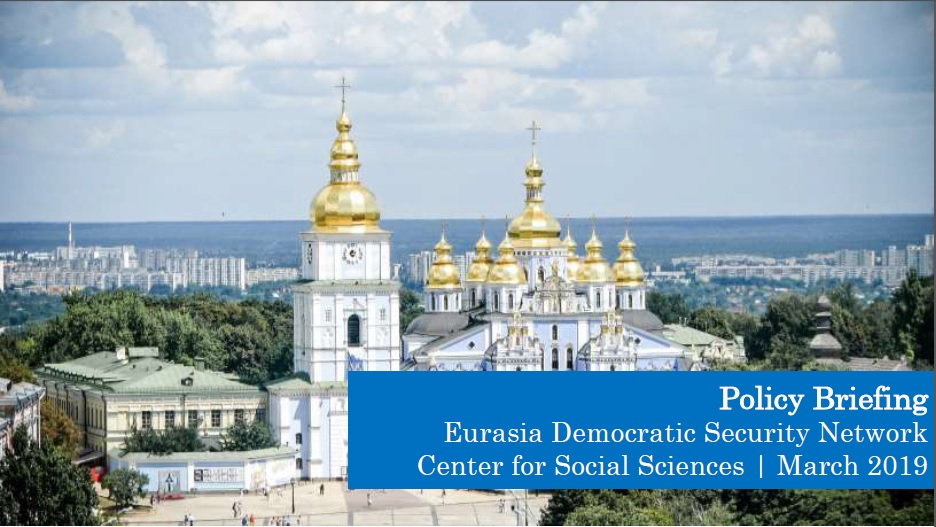
Keeping Pace: Ukraine’s Foreign Service Reforms
By Maryna Vorotnyuk Amidst the war in its eastern regions with Russia-backed militants, Ukraine is struggling to maintain the functionality of the state. The ongoing reform of its diplomatic service is intended to make its foreign policy more efficient and fit for the purpose of keeping Ukraine on the international agenda and securing the cohesion… Read More
Subscribe to our newsletter!