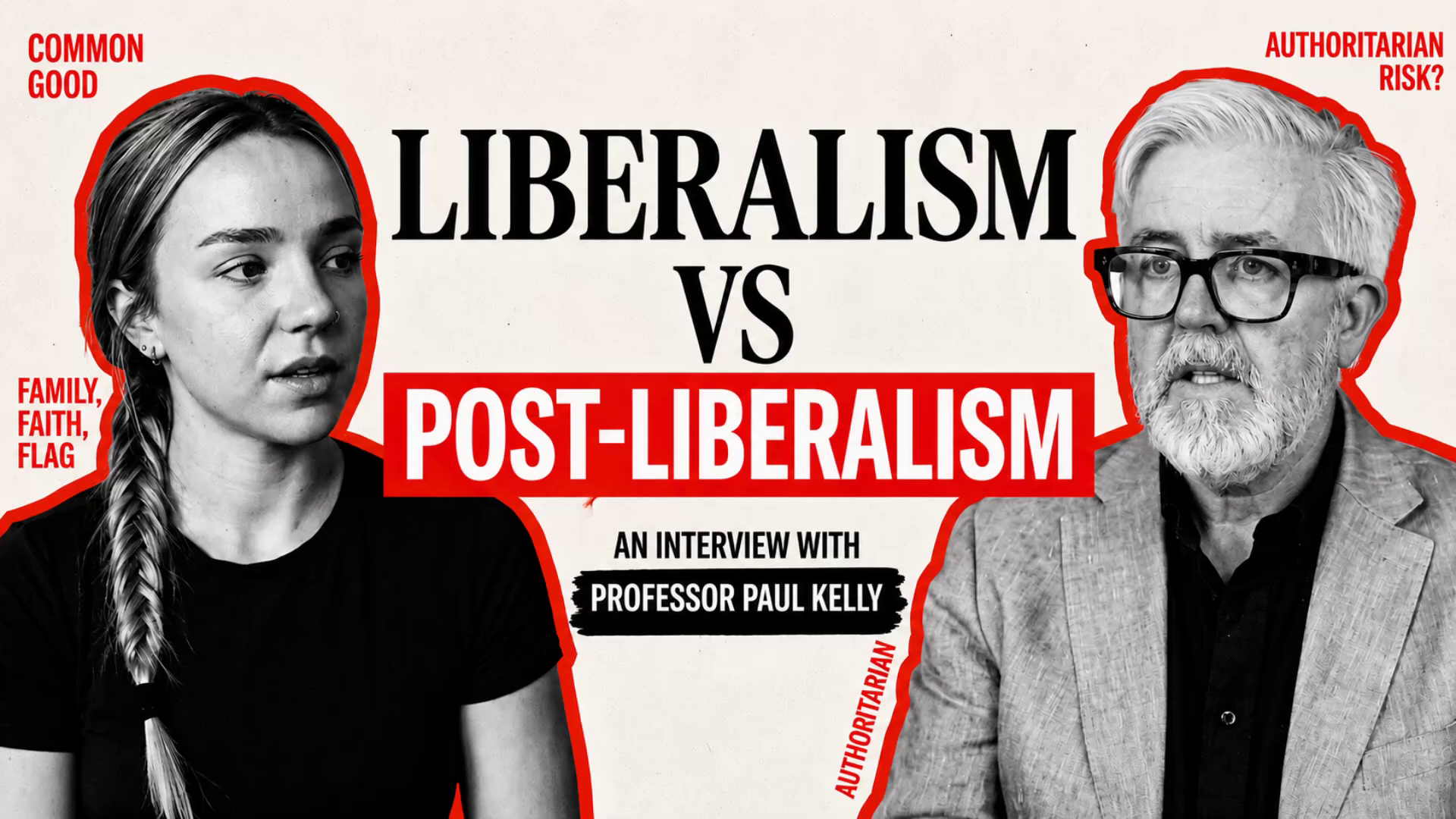
In this episode I speak to Professor Paul Kelly, Professor of Political Theory at the London School of Economics, about his latest book, Against Post-Liberalism: In Defence of Political Liberalism. We explore the growing appeal of faith, family and flag and how they’ve have become increasingly influential in contemporary politics. From JD Vance and Donald Trump to the rise of populism across Europe, Professor Kelly explains why post-liberalism has gained political traction – and why he believes its proposed alternative could create serious problems around who gets to define the “common good”. The conversation also examines whether post-liberalism risks becoming authoritarian, why nostalgia for a supposedly more stable past can be misleading, and what liberalism needs to do if it is going to respond effectively to the populist and far-right challenge.
IN THIS EPISODE, WE DISCUSS:
- What exactly is liberalism and how does political liberalism differ from it?
- What is post-liberalism and why has it gained traction?
- The post-liberal critique of individualism and neoliberalism
- The significance of “faith, family and flag”
- JD Vance, Catholicism and contemporary American post-liberalism
- The politics of nostalgia and the myth of a return to a simpler past
- Who gets to define the *common good*?
- The relationship between post-liberalism and authoritarianism
- The rise of populism and the far right in Europe and the United States
- Why people have become disenchanted with liberal politics
- Whether liberalism is simply too “boring” to compete politically
- What liberalism needs to do to survive
- Why Professor Kelly believes liberalism remains worth defending